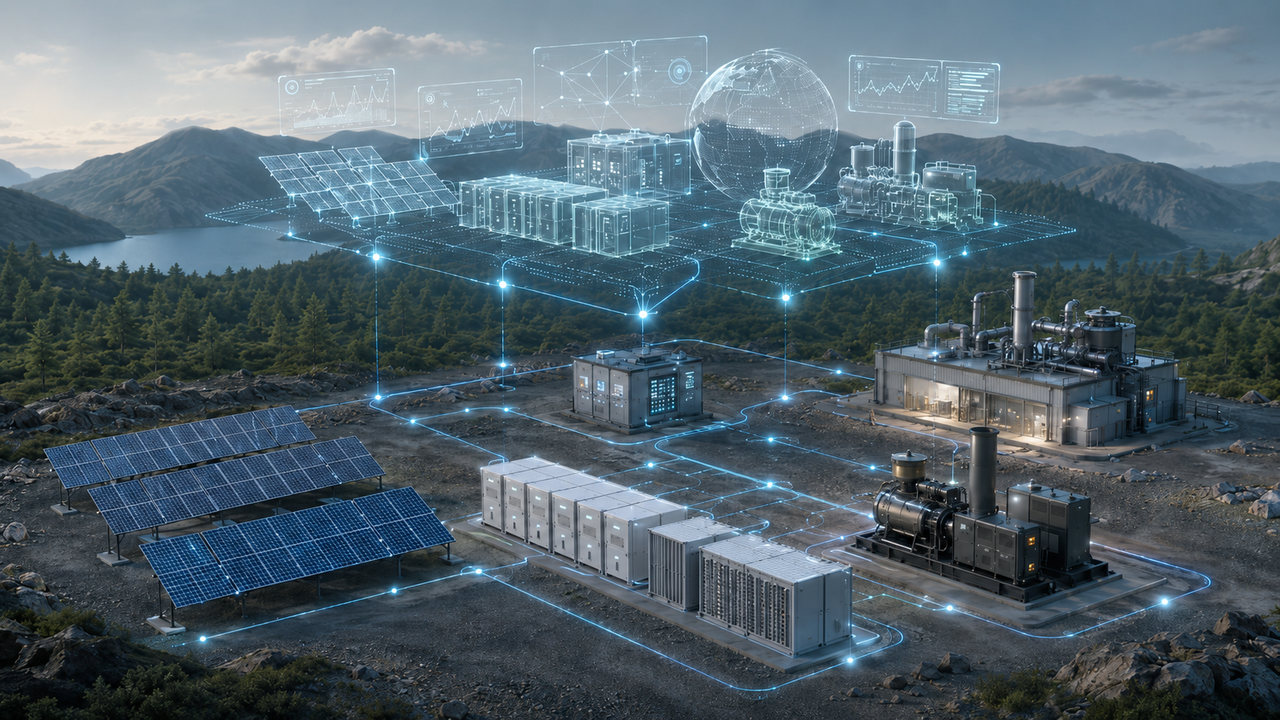
Helping project owners, investors and technology ventures test energy, cost, resilience and emissions scenarios before capital is committed.
Most climate-tech founders who lose deals at due diligence are not losing them on the technology. They are losing them on the commercial story. This insight identifies the eight commercial readiness gaps that most commonly stall investment conversations — from conflating a technology narrative with a commercial one, to unvalidated customer demand, revenue model underspecification, unit economics that do not survive scrutiny, go-to-market gaps, risk frameworks that leave too much unstated, team capability, and competitive moat. For businesses whose commercialisation pathway runs through capital-intensive pilots, hardware, or first-of-a-kind industrial deployments, the insight covers the additional dimensions that matter: pilot versus commercial economics, first-of-a-kind risk, the path to bankability, capital architecture, the evidence hierarchy for demand signals, and the strategic value of an industrial partner as first buyer. The piece is grounded in the Australian climate-tech investment landscape, including the Safeguard Mechanism as a structural demand driver, the CEFC and ARENA capital stack, and the investor types founders are most likely to encounter at due diligence.

Operational electrification offers Australian SMEs a stronger financial case than most realise — and a set of practical barriers that are real but navigable. This insight covers the full picture: what full operational electrification actually means across a business, from building services and process heat to fleet and refrigeration; how to access it without capital through Energy as a Service and Power Purchase Agreements; the eight specific constraints that most commonly stall the transition, each paired with a direct counter-argument; and the supply chain pressure that raises the stakes beyond the energy bill. The large companies in whose supply chains most SMEs sit are entering a mandatory climate reporting regime that will increasingly require them to quantify supplier emissions. The SME that builds a credible, meter-backed lower-emission operation ahead of that pressure is building a commercial asset. The one that waits is building a liability.

Australian commercial and industrial organisations are entering one of the strongest onsite energy investment windows in a decade. Falling technology costs, elevated retail tariffs, new mandatory sustainability reporting obligations, and opening flexibility markets are converging at the same time. This insight covers what is driving the opportunity, which technologies to prioritise and in what order, the role of digital infrastructure, the incentives currently available, and the risks that most commonly undermine returns. The central argument is that onsite energy is a system design and sequencing challenge before it is a procurement one. Organisations that treat it that way will outperform those that do not.
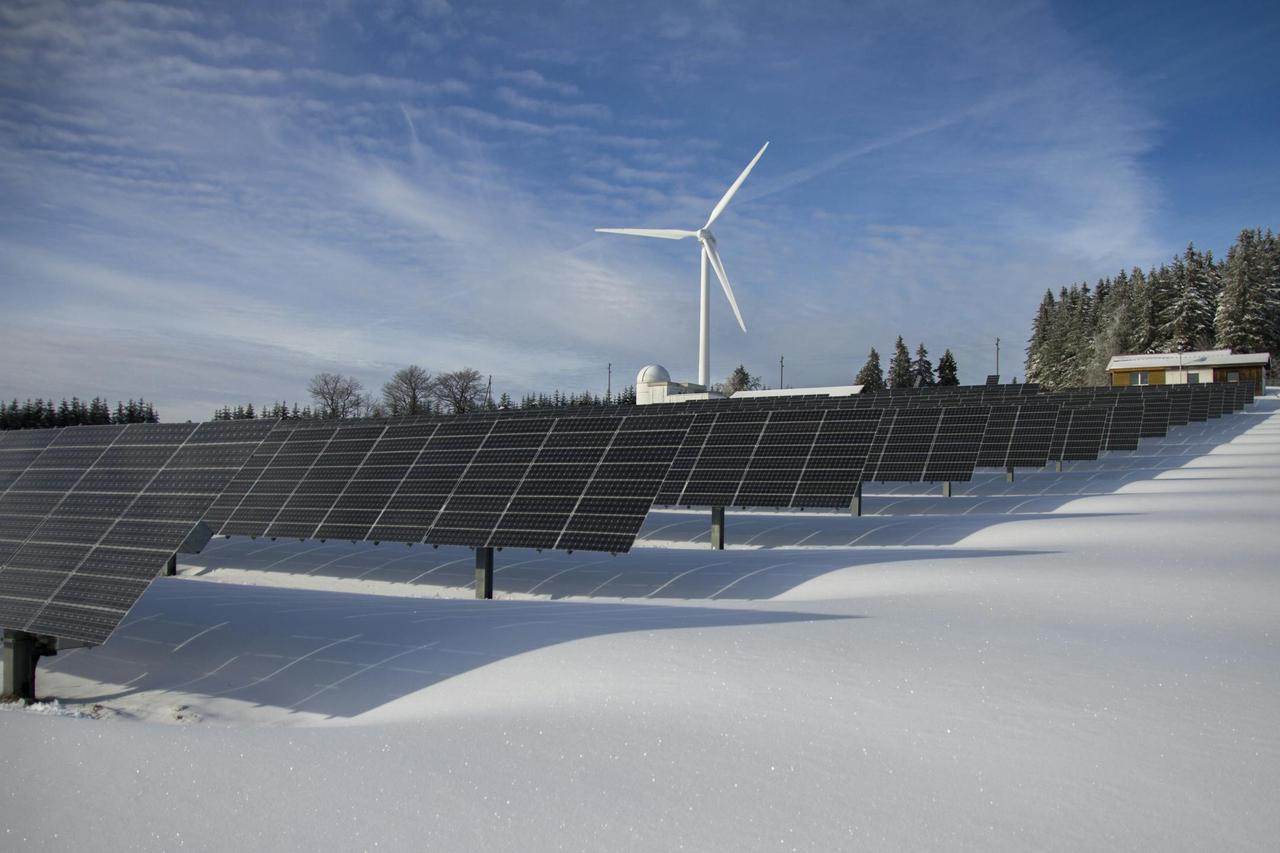
The distribution network was designed for electricity to flow one way. That world is gone. This insight examines what high solar penetration means practically for commercial energy investment decisions, and how artificial intelligence is now doing two distinct jobs in the grid: predictive planning and real-time operational governance.